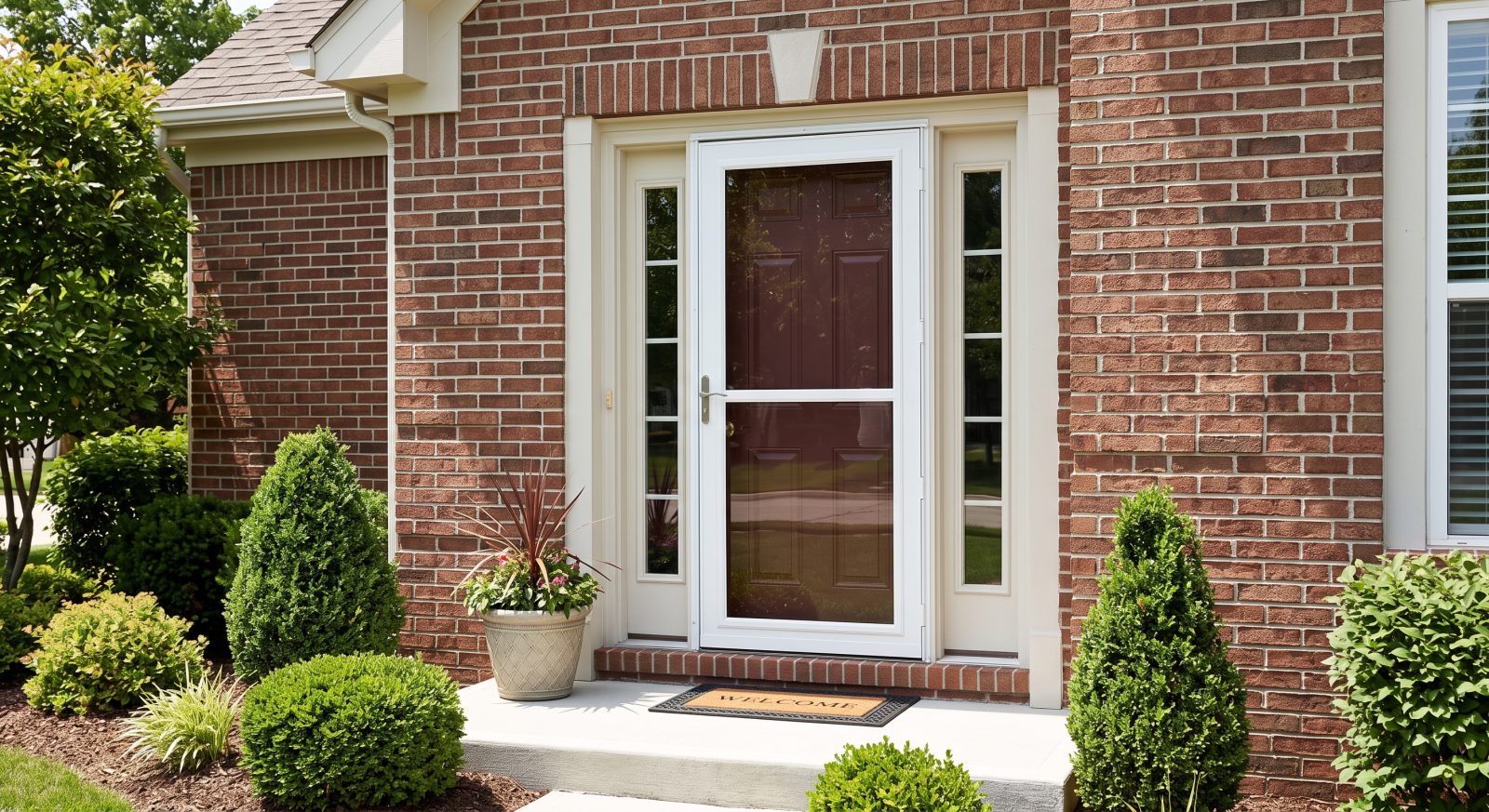
Installing a storm door seems like a simple weekend project, but it is one of the most common ways homeowners accidentally void the warranty on their entry door, not just the storm door itself. Manufacturers of fiberglass, steel, and wood entry doors routinely list storm door installation as an explicit warranty exclusion because of heat buildup, trapped moisture, and improper mounting [cite:7][cite:13]. Below is a breakdown of the exact mistakes that trigger these exclusions, based on real manufacturer warranty documents.
Why Storm Doors Threaten Entry Door Warranties
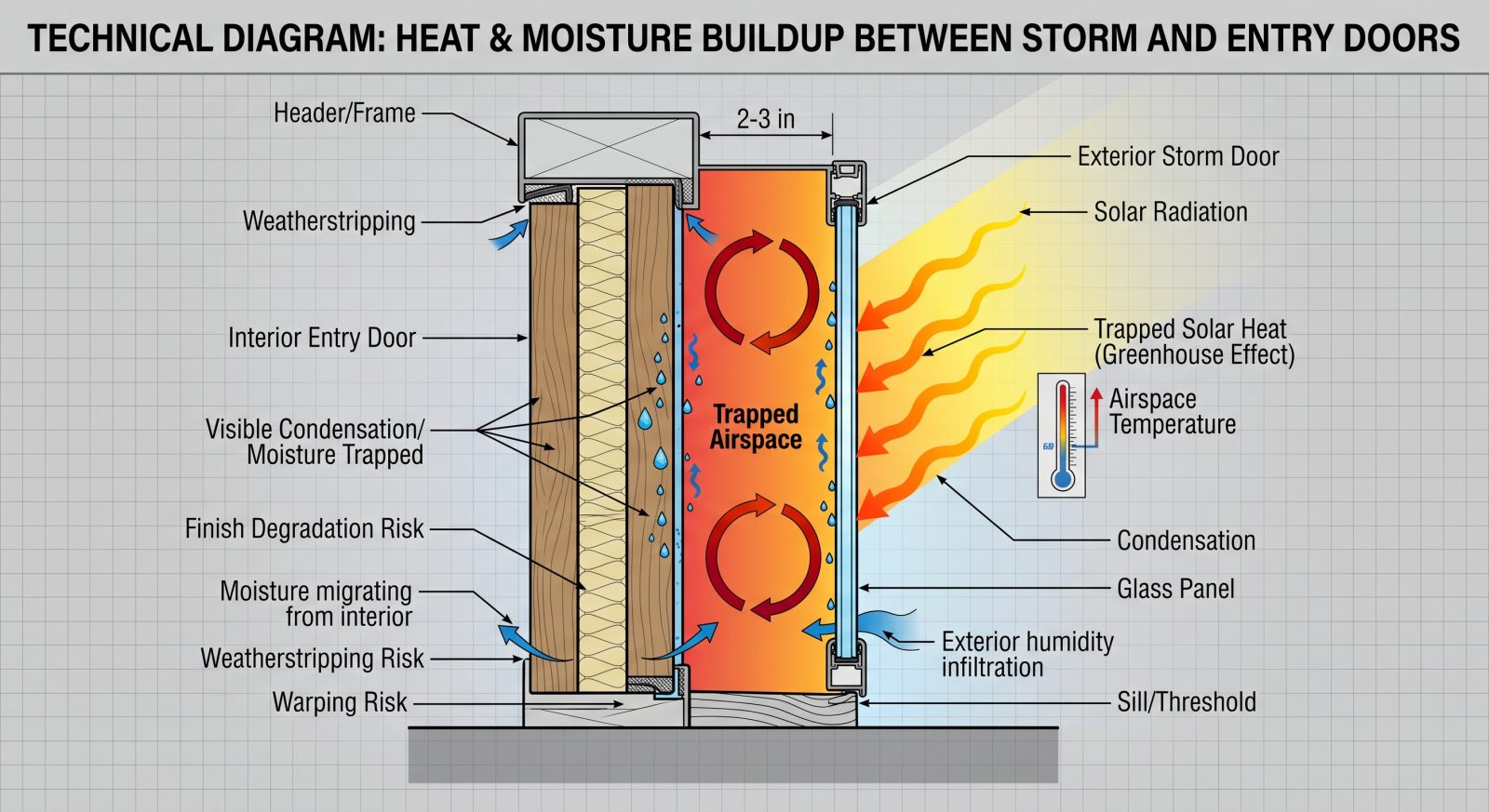
Many manufacturers state plainly that “installation of a storm door will void the warranty,” and the reasoning is almost always heat and moisture related [cite:10]. A closed glass storm door acts like a greenhouse, trapping solar heat against the entry door’s finish and core, which can warp fiberglass skins, degrade paint or stain finishes, and stress structural adhesives [cite:12]. Trapping condensation between the two doors is another frequently cited failure mode [cite:13].
Non-Ventilated or Full-Glass Storm Doors
The single most damaging mistake is installing a non-venting, full-glass storm door. One major entry door manufacturer’s warranty states directly that “any damage caused by improper installation of a storm door or the installation of a non-ventilating, full glass storm door shall void this warranty” [cite:15]. Storm doors with adjustable vents or retractable screens allow hot air to escape rather than concentrating against the entry door surface.
Installation Mistakes That Void the Storm Door’s Own Warranty
Beyond the entry-door conflict, storm doors carry their own manufacturer warranties, and improper installation is the top reason claims get denied. A detailed breakdown from an industry supplier lists nine of the most frequent mistakes installers and DIYers make [cite:3].
| Mistake | Warranty/Performance Consequence |
|---|---|
| Wrong door size or unmeasured opening | Gaps, poor seal, jamming; classified as improper fitting under most warranties [cite:1] |
| Installing over a warped, rotten, or uneven frame | Water leaks, air drafts, structural misalignment [cite:3] |
| Incorrect hinge placement/alignment | Sagging, scraping, reduced door lifespan [cite:14] |
| Skipping weatherstripping or caulking gaps | Air/water infiltration explicitly excluded from coverage [cite:5] |
| Installing without adequate fasteners for frame material | Door rattling, blow-open risk, wind damage excluded [cite:4] |
| Modifying the door (trimming, adding hardware, mail slots) | Explicitly voids warranty per multiple manufacturers [cite:7] |
The Overhang Requirement Almost Everyone Ignores
A frequently overlooked warranty condition involves roof overhang. Manufacturers typically require a projection of at least half the entryway’s height and side coverage of at least three feet from the door’s outer edge to shield it from direct rain and sun exposure [cite:10]. If this overhang standard is not met and proper flashing (sill pan and head flashing) is not installed, warranty coverage for water damage and finish deterioration is void [cite:12].
Reinstallation and Removal Errors
Removing a pre-hung door system and reinstalling it in a different opening — a mistake sometimes made when repurposing doors — voids the entire warranty according to several manufacturers [cite:1]. Similarly, products reinstalled after removal from their original opening lose coverage except for routine maintenance items like weatherstrip and door sweeps [cite:12].
Storage Before Installation Matters Too
Warranty voids do not start at the installation step — they can begin at the storage step. Door units stored more than 60 days prior to installation, or stored without sealed edges and proper ventilation in humid conditions, will void the warranty per multiple manufacturer documents [cite:7][cite:12].
How to Protect Your Warranty Coverage
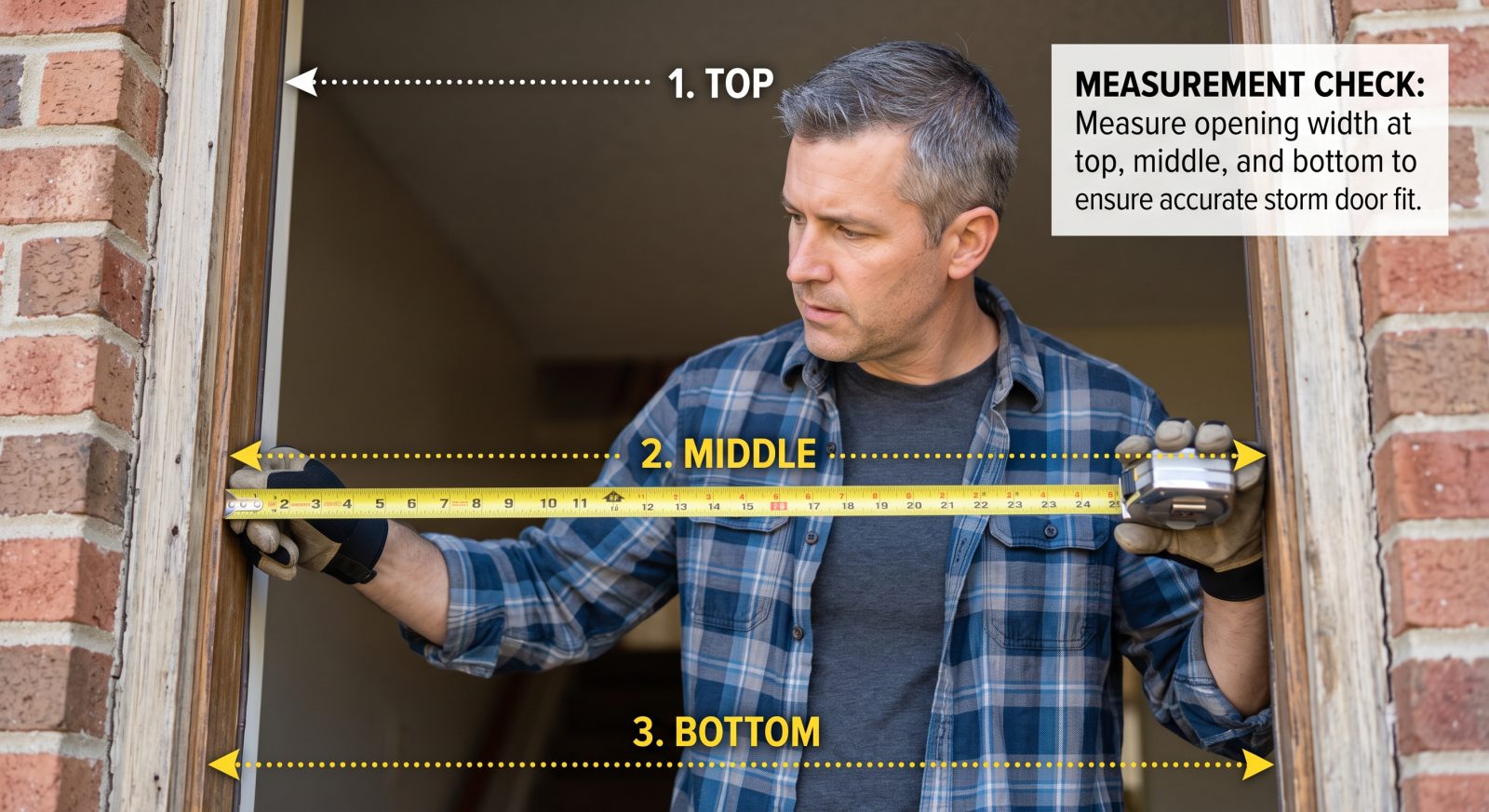
- Measure the opening’s width and height in three places (top, middle, bottom) before ordering any storm door [cite:3]
- Choose a storm door with adjustable ventilation rather than a sealed full-glass panel [cite:15]
- Verify roof overhang meets the half-height, three-foot-side minimum before installation [cite:10]
- Request written documentation of both the storm door and entry door warranty terms from your installer [cite:3]
- Never modify, trim, or add hardware to a pre-finished door without manufacturer approval [cite:7]
- Confirm proper flashing and sealant were used beneath the sill during installation [cite:10]
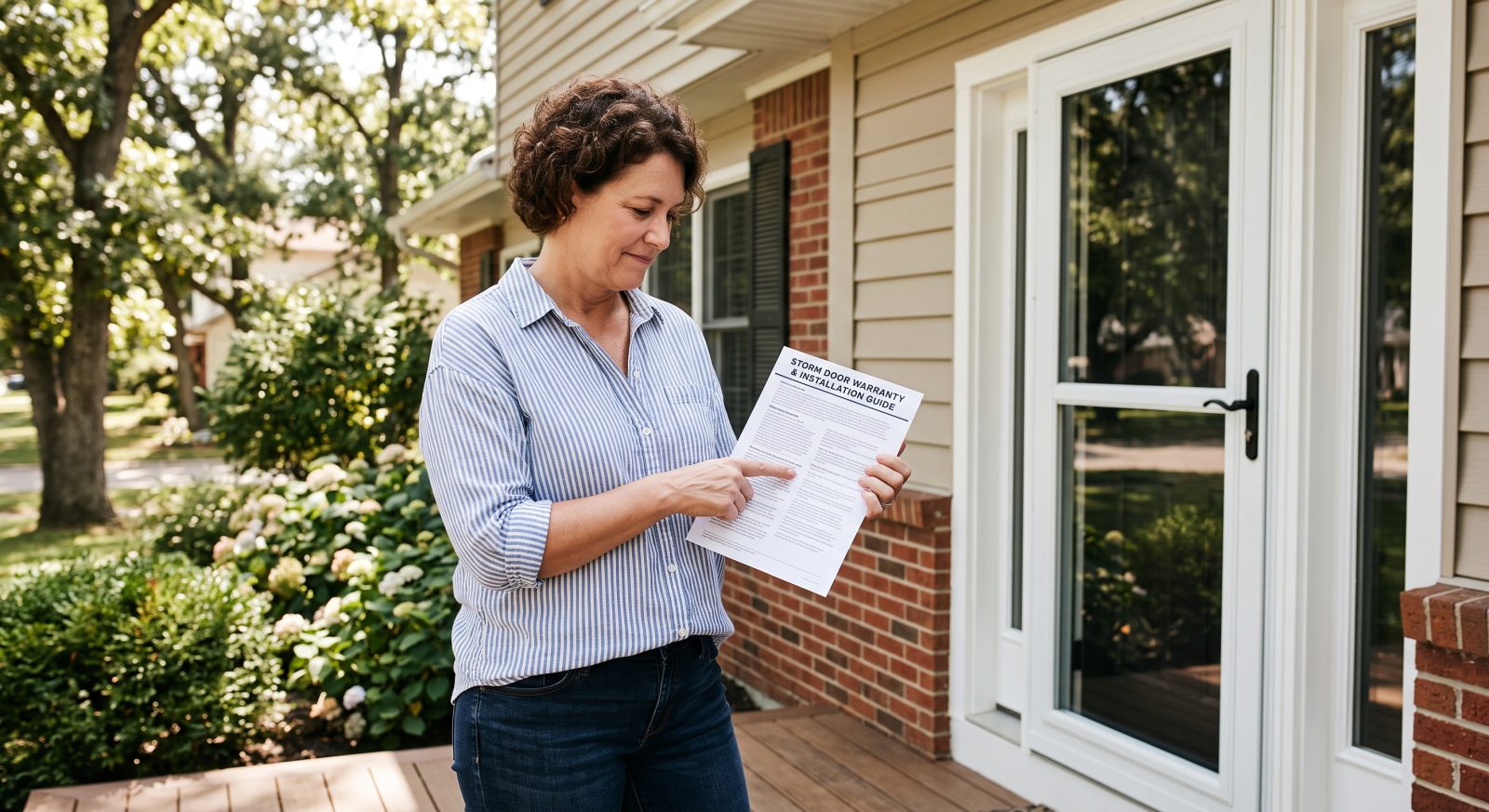
Before committing to a storm door purchase, always check whether your entry door manufacturer explicitly prohibits storm door installation, since this single decision can retroactively void coverage on an otherwise unrelated product [cite:2].